Protect your property and home from wildfire
Home owners are responsible for their home's fire safety, and FireCare can help you. Our goal is to help you make your property, home and family safer from wildfire, with a detailed Property Risk Assessment and the help to act on it.
A cleaned-up property makes for a cool burn-through
Remediation removes as much of the fuel as possible, to cool a wildfire and slow it down. A cleaned-up property pushes the fire down from the trees onto the ground, where it burns slowly with less heat.
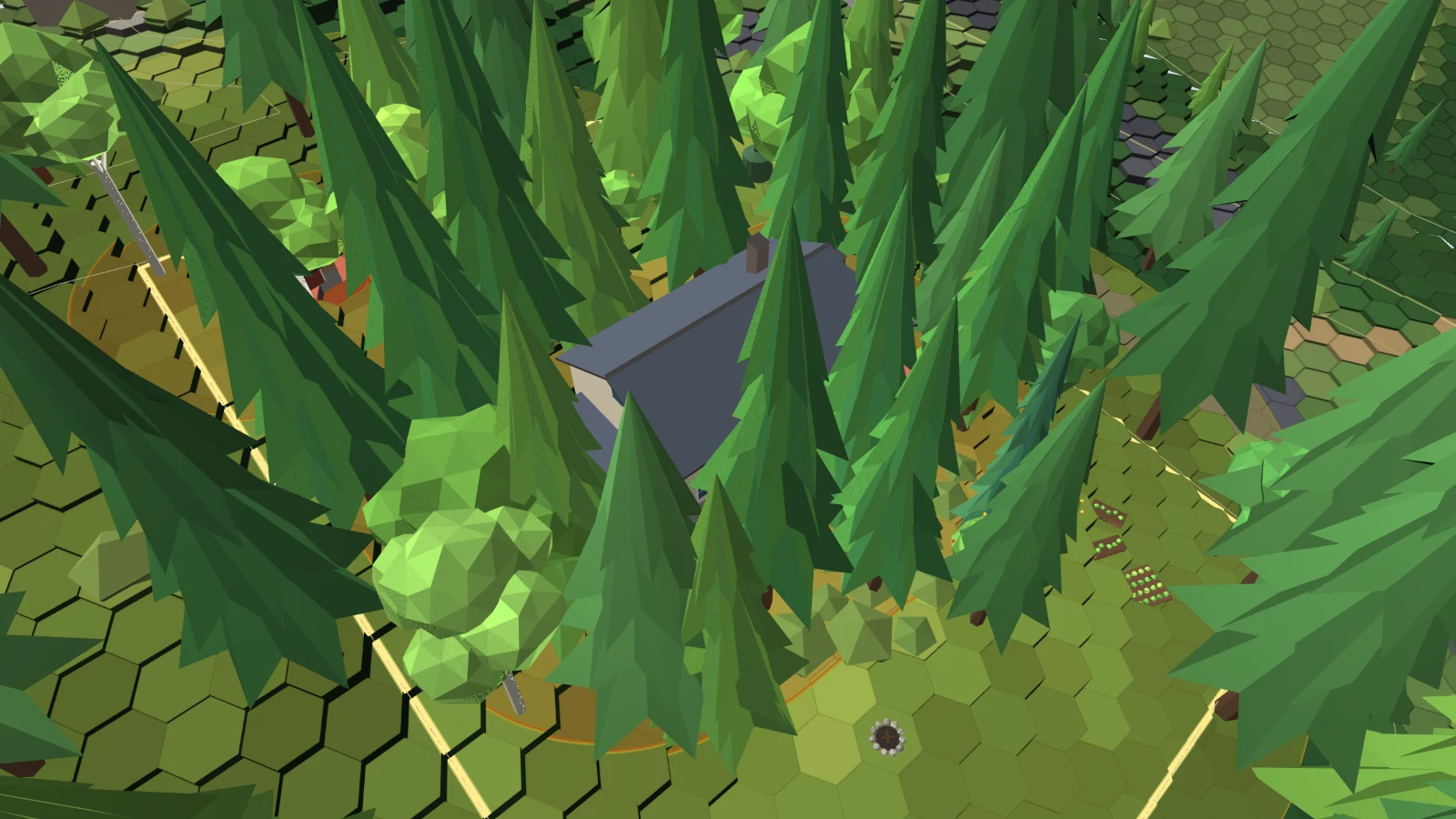
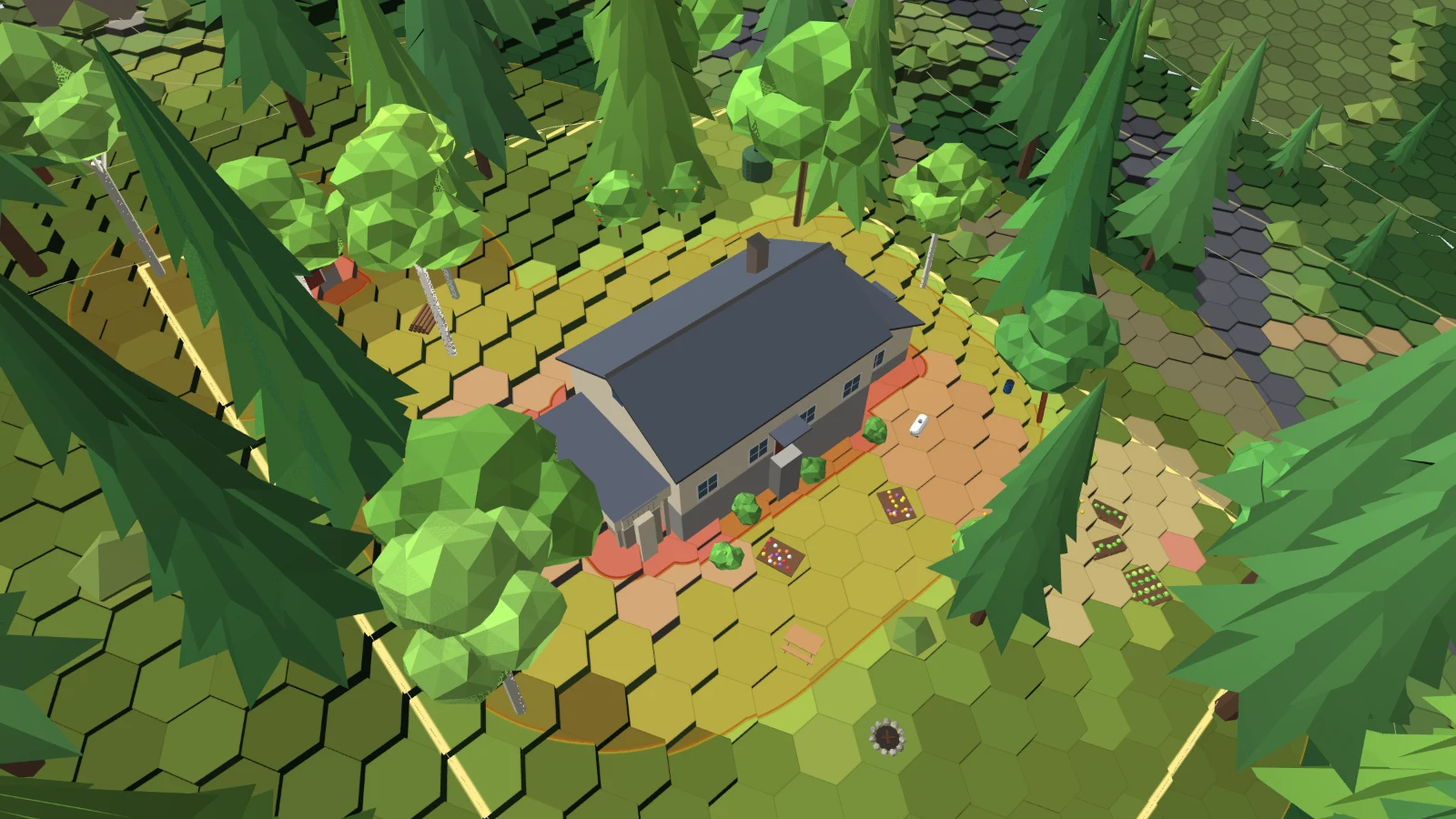
- Limbing helps keep the fire on the ground
- Thinning helps pull the fire down from the trees
- Well-spaced trees cool and slow a wildfire, and pull it back to the ground
- Training and know-how promote safety
So do we
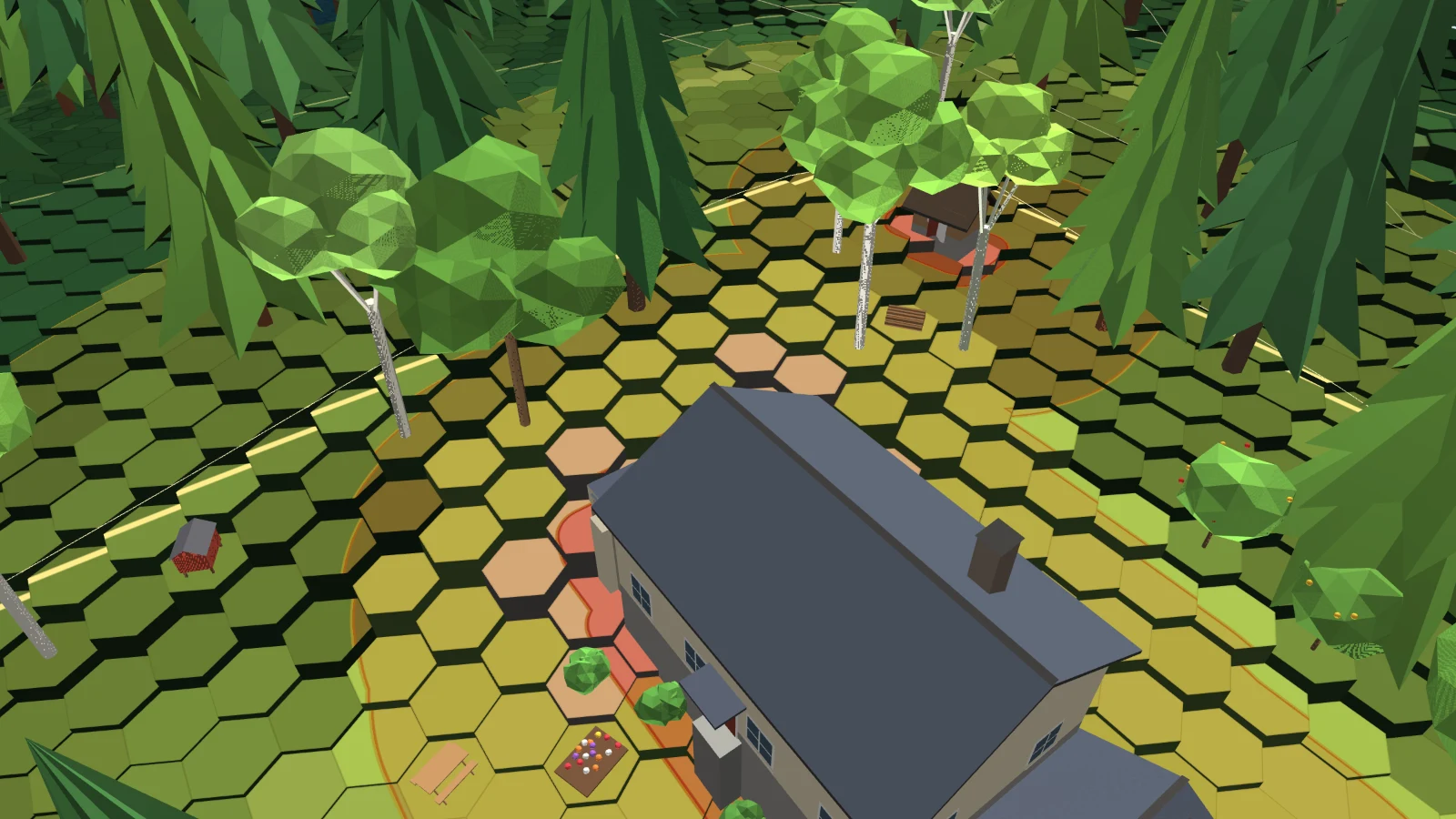
If a tree or two are special, they can be protected. Tell your FireCare Operator. We'll make them as safe as we can by limbing them, and by removing other trees behind them.
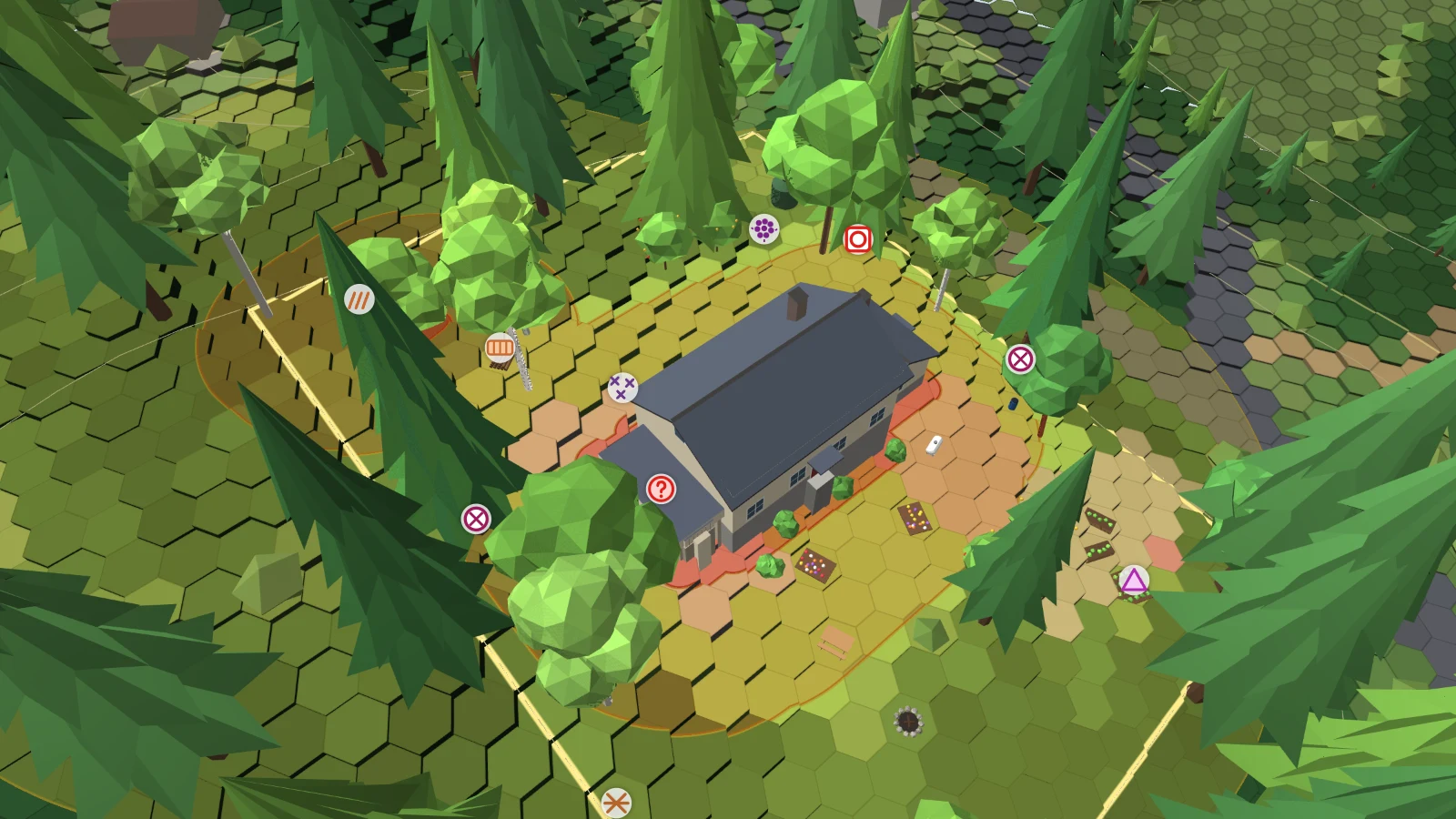
In the 3D PRA you can see every tree the lidar found round your home, and which of them stand in each FireSmart zone.
It's the embers that get you
Flat, flammable surfaces are ember traps. Hot embers falling on wooden decks and roofs, on firewood, or into gutters full of pine needles are why half of homes are lost, according to FireSmart BC. Once the paths of fire are dealt with, embers are your biggest concern:
- Move all firewood 10 metres from the home
- Clear the gutters every spring
- Remove as many flat wooden surfaces as you can
- Keep buckets or a pile of sand ready to cover what's left
The right tools, used safely
- Chainsaws should not run in the summer heat
- Backyard fires may be banned for more of the year, so chippers are used instead
- Trucks, ropes and pulleys make the work safer
Properly trained crews with safety equipment, chainsaws, chippers and rakes can quickly make a property and home much safer from wildfire.
The PRA is the game plan
We walk your property with you to find its hazards. The property map shows a list of tasks, with icons for each hazard or feature, and the benefits too. A multi-page PRA is prepared for you. It is the game plan for bringing down your property's wildfire risk, and it:
- is done by appointment, with the home owner or caretaker there, in about 30 to 45 minutes
- lists the tasks, skills, tools and safety equipment
- sets out the skills needed and the workload
With your PRA, you decide which tasks you'll do yourself and which, if any, you'd like FireCare to do. You get the expected cost of a day's work in advance. Days can be partial or full, with at most 8 billable hours: no overtime.
FireCare Operators and crews
FireCare is committed to a community that's involved in preventing wildfire. Simple changes make a big difference.
FireCare Operators lead each project: they provide the PRAs, put together a team for each property, and train it. FireCare's crews are local people known in their community, trained and qualified for the PRA tasks they take on, with the safety equipment, chainsaws, chippers and rakes to make a property much safer. For bigger jobs, such as tree felling, we bring in professionals.
- Minute-by-minute billing, with an end-of-day invoice that's clear and easy to understand
- All work conforms to BC Employment Standards
- FireCare handles the paperwork, WorkSafe BC and Revenue Canada remittances, and keeps overhead low
- The work supports our volunteer fire departments and our community